Family Owned. Midwest Values. National Reach                                                                                              Call Now: 877-247-1975 GET A QUOTE

Latest Blog

The Best Parking Lot Maintenance Tips To Protect Your Asphalt Pavement
Latest Blog

The Best Parking Lot Maintenance Tips To Protect Your Asphalt Pavement

The Best Parking Lot Maintenance Tips To Protect Your Asphalt Pavement

Keeping your parking lot safe, reliable and aesthetically pleasing should be a top priority, regardless of the type of business you run or the size of the property you manage. Great parking lot maintenance can support your bottom line and boost business, all while avoiding costly issues, liability risks and more. Taking care of your parking lot paving doesn’t have to be difficult. Here are some of the best parking lot maintenance tips that make a difference.

Why Is Regular Cleaning a Vital Part of the Best Parking Lot Maintenance Routines?

Keeping your parking lot paving clean is an easy task you can do in-house, but it can have a big impact. Beyond the obvious aesthetic perks of cleanliness, regular sweeping and occasional washing can remove grime buildup that could speed up asphalt oxidation. Oil, chemicals and other messes could break down the binders in your asphalt faster, resulting in more rapid deterioration.

Regular cleaning should be a vital part of lot maintenance in Chicago. Clean up spills, pick up trash and invest in periodic surface cleaning.

What Asphalt Maintenance Tasks Can Address Cracking?

Cracks can develop on any asphalt surface, even if you get regular parking lot sealcoating. However, you shouldn’t ignore them. Cracks are the perfect intrusion point for water. If left unaddressed, water can flow through those cracks and erode your pavement’s foundation, resulting in potholes, major damage and structural integrity concerns.

Invest in crack filling at least once a year as part of your parking lot maintenance routine. Contractors can fill and seal cracks to prevent spreading, water penetration and more.

How Quickly Should I Address Parking Lot Paving Damage?

Another important piece of the asphalt maintenance puzzle is prompt repairs. Whether you’re dealing with stress cracks, potholes or surface defects, get repairs as soon as possible. The longer you wait to get repairs, the worse things can get. Small issues can snowball into bigger headaches that become increasingly difficult and more expensive to fix.

Your budget for lot maintenance in Chicago should include a contingency for repairs. Don’t delay professional repair service.

Why Is Sealcoating Among the Best Parking Lot Maintenance Services to Invest In?

Parking lot sealcoating is a service that involves applying multiple thin coats of a specialty asphalt emulsion sealer over your entire pavement. It’s a quintessential Chicago parking lot maintenance service that safeguards your paving from weathering, wear, chemical damage and other damaging factors.

Asphalt maintenance contractors recommend parking lot sealcoating every three to five years, depending on your pavement’s condition, the amount of wear it receives and exposure levels. Regular sealcoating can mitigate the risk of damage and prolong the life of your pavement, making it a vital part of parking lot maintenance.

Why Should I Hire Reputable Contractors with Experience in Chicago Parking Lot Maintenance?

The cornerstone of good Chicago parking lot maintenance is professional inspections. Hire contractors to visit your property a few times a year. During these inspections, experts can look for early signs of trouble and recommend services to help you maintain your pavement over the long haul. That professional guidance and service make it easy to develop a parking lot maintenance routine that evolves with your pavement’s changing needs.

Black Hawk Paving is proud to be a premier contractor for lot maintenance in Chicago. We’re in our fifth decade of business, continuing a legacy of excellence, reliability and five-star customer service. Our well-trained team can tackle projects of any size or scope, including logistically sensitive work that minimizes disruptions to your business. We’re committed to exceeding your expectations and raising the bar for asphalt maintenance in Chicago. In addition to ongoing maintenance, we’re available for new paving, repairs, concrete flatwork and curbing, parking lot striping and more.

Call Black Hawk Paving today at (708)787-8765 to discuss your needs in greater detail and get a free quote. You can also email the team at info@blackhawkpaving.com or submit your information through our online contact form.

What Temperatures Are Too Cold for Asphalt Sealcoating Contractors to Work?  
Latest Blog

What Temperatures Are Too Cold for Asphalt Sealcoating Contractors to Work?

What Temperatures Are Too Cold for Asphalt Sealcoating Contractors to Work?

Cold weather can take a toll on asphalt pavement. Freeze-thaw cycles, snowfall, road salts and snow plow activity can cause significant stress on your asphalt paving. Luckily, sealcoating in Chicago offers your pavement protection to make it through the cold season. Regular sealcoating can extend the life of your paved surfaces, mitigating the risk of damage. But what if you need sealcoating during the winter? Asphalt sealcoating contractors must be mindful of weather conditions when performing this service. Typically, wintertime sealcoating isn’t possible. Read on to find out why.

What Temperatures Do Asphalt Sealcoating Contractors Need to Deliver the Best Results?

Chicago asphalt sealcoating contractors need warm and dry conditions to work. It’s not about personal preference or comfort. The sealers used for asphalt sealing in Chicago require specific conditions to bond to your pavement. Formulations vary, but most products perform best when applied when ground and air temperatures are around 70 degrees Fahrenheit.

Parking lot sealcoating is possible in colder conditions, but there’s a limit. Most manufacturers don’t recommend asphalt sealing in Chicago if temperatures dip below 50 degrees. As temperatures drop, Chicago asphalt sealcoating contractors face increasing challenges. Many contractors will work into the late fall and early winter. Still, with temperatures frequently dropping below that 50-degree threshold, sealcoating companies must stop providing this service once the coolest part of the season sets in.

It’s important to remember that the 50-degree cusp applies to nighttime temperatures, too. Asphalt sealcoating needs to cure for 24 to 48 hours after application. Therefore, for sealcoating in Chicago to be successful, conditions must remain consistently above 50 degrees for at least a two-day window.

Why Is Parking Lot Sealcoating So Impacted By the Weather?

Weather is an important factor to consider for asphalt sealcoating in Chicago because of the curing process and the sealer itself. Sealers are asphalt emulsions containing up to 60 percent water by volume after preparation. Once applied to your pavement, the water content in the products used for asphalt sealing in Chicago will slowly evaporate as it cures. This process leaves behind the asphalt, allowing it to bond to your pavement for lasting protection.

As temperatures decrease, the rate of evaporation slows. If it reaches the freezing point, the sealer won’t cure at all. Instead, it’ll freeze in place. Slow evaporation and freezing result in lackluster protection and an unattractive finish. For sealcoating in Chicago to succeed, contractors must wait until it’s warm and dry.

What Other Conditions Affect How Asphalt Sealcoating Contractors Complete Sealing Projects?

It’s not just the temperature that can ruin asphalt sealcoating. Humidity levels and precipitation can also interfere with asphalt sealcoating in Chicago. Contractors prefer humidity levels to be no higher than 60 percent. The forecast should also show zero chance of rain or snow. Rainfall can wash away the sealer, leaving a patchy mess. It also ruins the sealer formula, leading to inferior all-around protection. The same applies to melted snow.

Contractors pay close attention to the weather forecast before performing parking lot sealcoating. They consider all factors, including temperature, humidity, sun exposure and wind speed. Experts will take those factors into account to schedule an application date that ensures stellar results.

Let Black Hawk Paving handle all your asphalt sealcoating needs. We’ve been in business for 50 years, offering top-notch service that sets the standards for the entire asphalt maintenance industry. We continually invest in our team and equipment, using high-quality materials and premium sealers to raise the bar for asphalt sealcoating in Chicago. Black Hawk Paving is also available for new paving, repairs, milling and overlays, concrete curbing, parking lot striping, pavement markings and more. Whether you have a straightforward sealcoating project or require more logistically sensitive services, we’re here to serve.

We’re eager to show you why we’re among the top Chicago asphalt sealcoating contractors. Call Black Hawk Paving today at (708)787-8765, email info@blackhawkpaving.com or use our online form to reach the team and get your free project quote.

The Methods Of Chicago Parking Lot Drainage Contractors
Latest Blog

The Methods Of Chicago Parking Lot Drainage Contractors

The Methods Of Chicago Parking Lot Drainage Contractors

Chicago parking lot drainage plays an integral role in keeping your property safe. Proper drainage also supports rainfall management of your entire community, preventing urban flooding and avoiding significant property damage. Unfortunately, improper pavement construction, damage and other issues can lead to major drainage problems that threaten your business and bottom line. Luckily, parking lot drainage contractors can provide solutions that make a difference.

Why Is Drainage So Important?

If you notice standing water after rainfall, you must take action. Inadequate parking lot drainage can be a disaster.

First, safety issues can arise. Pooling water increases the risk of slip and fall accidents, which you may be liable for if you don’t contact parking lot drainage contractors for service. Furthermore, poor drainage can lead to mildew and algae growth, making your pavement slippery when no water is present.

Beyond the safety concerns, parking lot drainage problems can lead to rapid pavement deterioration. Water is asphalt’s mortal enemy. While properly installed pavement can shed water efficiently, poor drainage can cause it to pool on the surface. The material can oxidize and degrade. Even worse, water can flow into cracks and wreak havoc on the foundation. If that happens, you may face structural failure and severe damage.

How Can Lot Drainage Companies Use Resurfacing to Prevent Standing Water?

To avoid disaster, you must work with parking lot drainage companies for improvements. After a careful inspection, professionals will determine the best approach to fixing the problem and improving runoff management.

One option is to correct the slope. Well-constructed pavement has a subtle slope that directs water away from the surface. However, poor installation and damage can make the existing slope ineffective. If that’s the case, parking lot drainage contractors can resurface the pavement to restore the proper elevation. These repairs may involve milling the asphalt before applying a new overlay.

Will Sewer Repair Improve Chicago Parking Lot Drainage?

Damaged infrastructure can cause major headaches. Clogs, faulty sewage lines and more will prevent water from flowing to appropriate locations. In those cases, sewer repair may be the solution. Parking lot drainage companies can assess the situation, looking for signs of damage before performing sewer repairs.

Effective sewer repairs make a difference. They help restore your property’s original water runoff plan, reducing the risk of damage and the need for early reconstruction.

Can Parking Lot Drainage Contractors Install New Infrastructure?

Sometimes, installing new infrastructure is the only way to fix parking lot drainage problems. Several options are available. The first is curbing.

Curbs and gutters border your parking lot, creating a physical barrier that prevents water from flowing where it shouldn’t. With the right design, gutters can direct runoff to appropriate drainage infrastructure.

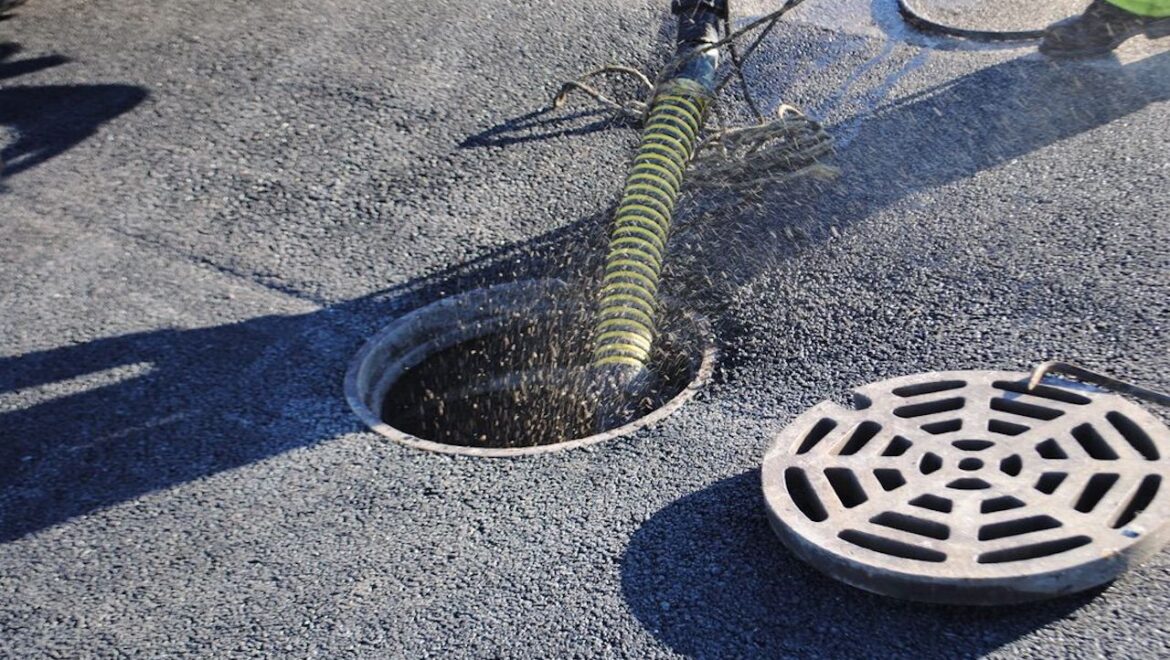
Another option is concrete catch basin installation. New catch basins are a great way to capture water more effectively. Larger parking lots benefit from having several catch basins throughout, reducing the distance water has to travel before it reaches drains. Concrete catch basin installation is a more extensive fix, but the investment will pay off.

Whether you want to explore concrete catch basin installation, sewer repairs or other options, Blackhawk Paving is ready to provide solutions that work. We’re in our 50th year of serving clients throughout Chicago and the Midwest. Our expertise in paving and drainage and innovative approaches to solving complex pavement problems equip us to deliver high-quality results. We specialize in commercial and industrial paving, offering personalized service to meet your needs. You can turn to us for all your parking lot drainage needs. We’re also available for new paving, repairs, sealcoating, concrete curbing, pavement striping and more.

Call Blackhawk Paving today at (708)578-7434 to learn more and get a free project quote. You can also email the team at info@blackhawkpaving.com or use our online form below.

What Is The Process For Site Work Grading In Chicago?
Latest Blog

What Is The Process For Site Work Grading In Chicago?

What Is The Process For Site Work Grading In Chicago?

Construction projects are a symphony of activity as various teams contribute to building a final product that meets your needs. While many focus on what happens during the erection of a new building or the installation of pavement, some of the most critical work begins before construction starts. Site work grading is a vital process that prepares sites for construction and can ultimately impact the integrity of the finished structure. Here’s what you need to know about Chicago site grading and how it works.

What Is Site Work in Chicago?

Site work is a term used to describe all the prep work that occurs before construction teams start a project. Raw, undeveloped land is rarely suitable for construction. Site work contractors ensure the land is stable enough to accommodate the future structure and safe and accessible for workers.

It’s a multi-step process. Site work in Chicago typically begins with land clearing to remove trees, plant roots and other debris. Depending on the project’s needs, contractors may also perform excavation work, install utilities, build access roads, etc. After geotechnical testing, teams may also amend and compact soil. Site grading processes are just one of many tasks that must occur during this critical site work phase.

What Is Site Grading?

Grading construction work involves moving the earth. While excavation focuses on removing earth, grading in construction concentrates on moving it around to create the proper elevation. For example, site grading teams must move soil to make the terrain more level for a building. If the site is sloped or full of hills, grading in construction ensures that the earth isn’t too steep or rough. That’s not all.

Chicago site grading is also vital for proper drainage. Grading construction techniques create a subtle slope that will direct future rainfall away from the structure. This helps prevent flooding and lowers the risk of soil erosion and water damage, which can weaken the final product. Whether that’s asphalt pavement or a building foundation, grading in construction plays an important role in the long-term stability of the entire project.

How Do Contractors Perform Grading?

Site work in Chicago looks simple, but all steps require careful planning. Grading construction work is no different. Contractors typically work with a precisely engineered grading plan, which dictates the desired elevation and slope. These plans include details about the appropriate slope for drainage and guide contractors in establishing a level base for construction. Site work contractors must also follow guidance from International Building Codes and local regulations.

What Equipment Do Contractors Use?

Side-grading teams utilize heavy-duty equipment to complete the job. Scrapers, bulldozers, dump trucks and front-end loaders are all necessary for effective grading. The tools used depend on the needs of the site.

Chicago site grading professionals may also use different equipment during rough and fine grading. Rough grading is the initial shaping of the site. Meanwhile, fine grading is the more precise leveling and slope creation process.

Let Blackhawk Paving be your trusted site grading professionals. We’ve been in this business for 50 years, and we’ve seen and done it all, giving us the experience to complete projects of all sizes and scopes. Our team uses proven grading techniques and the best equipment to work efficiently. At Blackhawk Paving, we focus on commercial and industrial work and are more attuned to the unique needs of these more complex projects.

Blackhawk Paving is available for all your site work and paving needs. Our services include asphalt paving, repairs, sealcoating, concrete flatwork, sewer repair, parking lot striping and more. Call the Blackhawk Paving team today at (708)578-7434, email info@blackhawkpaving.com or use our online form to get your free project quote.

5 Warning Signs Of Chicago Asphalt Paving Failure
Latest Blog

5 Warning Signs Of Chicago Asphalt Paving Failure

5 Warning Signs Of Chicago Asphalt Paving Failure

It’s no surprise that asphalt is the go-to material for paved surfaces throughout the country—it is cost-effective, aesthetically pleasing, easy to maintain and resilient enough to last many decades. However, the material can reach a point of failure. Knowing how to identify the signs of Chicago asphalt paving failure is important, whether it’s due to old age, a lack of proper maintenance or significant stress. Here are five telltale signs to look for.

Does Cracking Point to Potential Chicago Asphalt Paving Failure?

Standard cracking isn’t a huge cause for concern. Contractors can perform annual asphalt repairs to mend cracks and avoid severe damage. However, widespread cracking is something different. When cracks continually develop, your pavement could be on the cusp of failure. Many asphalt paving companies ring the alarms when they see an issue known as alligator cracking. This type of damage manifests as expansive interconnected cracks that resemble alligator skin.

Alligator cracking typically indicates deeper underlying issues like a weakened subbase. Significant cracking can also occur due to excessive stress and heavy traffic that the pavement can’t support. If ignored, the problem will only worsen.

Should I Seek Professional Guidance from Asphalt Companies If I See Standing Water?

Standing water is never something asphalt repair companies want to see. During initial construction, contractors should take time to create the right elevation, forming a subtle slope that allows water to drain off the surface and to nearby infrastructure. If water collects on your pavement after heavy rainfall, consult asphalt repair companies as soon as possible. Standing water will weaken the material, resulting in cracks, potholes and severe damage.

Is Warping, Buckling and Other Uneven Surface Issues a Sign of Chicago Asphalt Paving Failure?

Asphalt paving in good condition should be one smooth and continuous surface. However, stress from heavy loads, damage caused by extreme temperature changes and issues caused by improper construction techniques can lead to noticeable elevation problems. Warping and buckling warrant professional asphalt repair and attention from experts. The same applies to rutting, raveling and more.

Warping and buckling are usually a byproduct of load issues possibly caused by foundation damage or heavy traffic the pavement can’t support. Meanwhile, rutting and surface depressions may point to foundation weakness, unstable asphalt or poor compaction. Raveling occurs when aggregate particles wear away due to traffic and could indicate that contractors used a low-quality mix or that the binders in the asphalt oxidized to the point of becoming brittle. Either way, these problems require attention from contractors experienced with asphalt repair in Chicago.

Are Frequent Potholes Fixable with Asphalt Repair in Chicago?

Potholes are a relatively common form of damage that asphalt paving companies often see. Skilled contractors can mend basic potholes with asphalt repair techniques like patching. Occasional potholes are normal but require immediate asphalt repair to prevent worsening issues.

Reoccurring potholes, on the other hand, could be a sign of pavement failure. When asphalt repairs don’t work, the voids created could get bigger. This may happen when there is significant foundational damage. At that point, simple asphalt repair in Chicago won’t do. You must contact seasoned asphalt companies for a more extensive fix and avoid complete pavement failure.

Does Discoloration and Staining Point to a Bigger Problem with My Asphalt Paving?

Discoloration and widespread staining are often signs of widespread oxidation. Exposure to the elements, regular wear and leaking vehicle fluids cause the binders in your asphalt paving to break down. Over time, the rich black color of the asphalt turns into a dull gray. The material becomes less pliable, making it brittle and susceptible to damage.

Asphalt companies can address this problem and prevent it from happening with regular sealcoating. Failing to seal your asphalt will cause premature deterioration and eventual failure.

Black Hawk Paving is among the Midwest’s most trusted asphalt repair companies. For five decades, we’ve proudly served property owners like you, constructing, repairing and maintaining surfaces big and small. No matter what condition your paving is in, we’re here to provide solutions that help maintain beauty, safety and longevity. We’re eager to show you why we’re one of Chicago’s go-to asphalt paving companies. Black Hawk Paving offers vital services like new paving, milling and grinding, repairs, sealcoating, parking lot striping, sewage repair and much more. We can also handle multi-site portfolios, complete logistically sensitive projects and meet your precise needs, no matter how complex they seem.

Call Black Hawk Paving today at (708) 578-6813, email info@blackhawkpaving.com or use our contact form below to request a free project quote.

Is It Time To Replace Your Chicago Illinois Concrete Parking Lot?
Latest Blog

Is It Time To Replace Your Chicago Illinois Concrete Parking Lot?

Is It Time To Replace Your Chicago Illinois Concrete Parking Lot?

Illinois concrete parking lots are among the strongest around. Concrete is a resilient paving material that can withstand decades of traffic, making it a wise investment for industrial and commercial properties. But, like all things, there will come a time when your concrete parking lot needs replacement. In this blog, we’ll explore some telltale signs it’s time to invest in new parking lot construction to replace old surfaces.

Does Widespread Cracking or Faulting Indicate the Need Replacement?

Cracks and surface damage are normal, and skilled Chicago concrete contractors can address most issues as they arise. However, concrete eventually experiences so much damage that replacement becomes a more viable long-term solution.

Many factors will impact when parking lot construction gets to that point, including weather exposure and wear. Typically, surfaces over three decades old are at a higher risk of widespread damage, suffering from issues like:

• Significant cracking
• Freeze/thaw damage
• Exposed rebar
• Faulting between adjacent slabs

These issues could point to deeper underlying issues. Even with repairs by experts in Chicago concrete construction, damage can become a reoccurring issue. When Iconcrete parking lots reach that point, most concrete construction companies recommend replacement. While new concrete construction in Chicago is a bigger upfront investment, the long-term savings and reliability make replacement worth considering.

Can Poor Chicago Concrete Construction or a Lack of Repairs Shorten My Parking Lot’s Lifespan?

Low-quality construction from an inexperienced concrete construction company, incomplete repairs and overall neglect can take a toll on your parking lot over time. Issues can arise long after your Chicago concrete construction project ends. Poor sub-base preparation, incorrect material mixes and other common mistakes can cause damage to creep up over time.

The same goes for neglecting damage. Failing to address issues promptly can lead to worsening trouble. Water can seep into cracks, causing soil erosion beneath your parking lot and leading to structural failure. Your parking lot may also encounter drainage issues that slowly cause soil stability issues.

Whatever the case, major damage caused by improper concrete construction in Chicago or untimely repairs benefit from full replacement. A skilled concrete construction company can rebuild your lot from the ground up, erasing existing issues to give your property a clean slate and decades of reliability.

Should I Replace My Parking Lot If My Property’s Traffic Needs Change?

Of course, you don’t have to wait until significant damage occurs to decide on new parking lot construction or replacement. If your traffic needs or intended use change, replacing your parking lot to avoid potential safety issues later makes sense. Concrete construction companies engineer surfaces based on the traffic you expect your property to receive. Therefore, low-traffic parking lots are built much differently from those needing to support heavy-duty industrial equipment and vehicles.

Overloading concrete with more weight and stress than it’s built to accommodate will lead to significant damage, structural problems and potential liability issues. With new construction, Chicago concrete contractors can replace your old parking lot with a brand-new surface engineered with the load-bearing capacity your property needs.

If you’re unsure if replacing your Illinois concrete parking lot is the right move, turn to Black Hawk Paving for guidance. We’re experts in concrete construction in Chicago, bringing 50 years of experience to your project. As one of the area’s most trusted concrete construction companies, we’re well-equipped to meet your needs and guide you in the right direction. Our team can inspect your existing pavement, discuss your needs and help you decide if replacement is something your property can benefit from. If so, we’re ready to tackle the project and deliver your desired results. In addition to being the best Chicago concrete contractors around, we offer various services to commercial and industrial clients. You can turn to us for asphalt paving, sealcoating, repairs, maintenance, striping, traffic signage and more.

Let us show you why we’re the Midwest’s most reliable concrete construction company. Call Black Hawk Paving today at (708)554-6779, email info@blackhawkpaving.com or use our online contact form to get in touch and receive your free quote.

Guidelines for Constructing & Designing Chicago Concrete Parking Lots
Latest Blog

Guidelines for Constructing & Designing Chicago Concrete Parking Lots

Guidelines for Constructing & Designing Chicago Concrete Parking Lots

Chicago concrete parking lots are quickly becoming the preferred choice for commercial and industrial properties. Concrete has a longer lifespan, lower maintenance requirements and countless other advantages, making it more appealing than the alternatives. However, like all parking lots in Chicago, concrete surface lots require careful engineering, top-notch construction, and strategic design. Here’s what you need to know.

How Does the Intended Use of Chicago Concrete Parking Lots Affect Construction?

Before proceeding with any construction, concrete parking lot companies spend a great deal of time understanding your new pavement’s intended use. The purpose of your lot will influence construction and design. From a design standpoint, commercial lots serving retail space have very different needs than industrial ones. Concrete parking lots serving the public require more attention to design details to ensure safety and traffic efficiency.

More important, however, is how intended use impacts construction and engineering. Concrete is a tough material with incredible compression strength, allowing it to easily support heavy-duty loads. Even still, the thickness of concrete parking lots and their structural reinforcements matter. You must consider how you intend to use your new concrete parking lot and what types of traffic it’ll accommodate to ensure proper construction. Generally, standard commercial lots for light-duty vehicles only require about four inches of thickness. Meanwhile, larger delivery trucks and equipment may require six inches or more.

What Details Do Concrete Parking Lot Contractors Prioritize During Construction?

Construction parking lots in Chicago made of concrete is a multi-step process, and reputable contractors will be meticulous every step of the way. It all begins with a site analysis. During the study, experts will conduct soil tests for subgrade preparation. Subgrade compaction and amendments increase density, therefore improving load-bearing capacity. Failing to complete this step successfully could result in frequent concrete parking lot repair and eventual structural failure.

In addition to subgrade preparation and appropriate material thickness, concrete parking lot contractors will focus on drainage. Standing water can lead to many concrete parking lot repair issues. Teams must perform proper grading to give the finished surface a subtle slope for effective water drainage.

What Design Factors Impact the Efficiency of Chicago Concrete Parking Lots?

While good design may not affect longevity like engineering and construction, it’s still important. It seems simple, but perfecting the design can dramatically improve safety and traffic flow, making parking lots in Chicago a joy to use.

Many factors affect parking lot design. Concrete parking lot companies work closely with clients to get things right, paying close attention to the following:

• Parking lot sizing
• Total space count
• Availability of handicap spots and access lanes
• Parking space angle
• Curbing design
• Medians and landscaping islands

What Type of Maintenance Does a Concrete Parking Lot Need?

The good news is that concrete requires significantly less maintenance than alternatives like asphalt. However, you must invest in annual inspections to ensure you’re providing your parking lot with the attention it needs. Concrete parking lot contractors can perform routine maintenance like cleaning and joint sealing. They can also complete concrete parking lot repairs, addressing cracks, crumbling and other issues.

Concrete parking lot companies can also spot signs of early trouble, allowing you to be proactive about pavement maintenance and repair.

Black Hawk Paving is Chicago’s premier concrete parking lot contractor. For nearly 50 years, we’ve served property owners and managers throughout the area, delivering reliable service and great results. We have the capacity to complete projects of any size and scope. From simple repairs to brand-new Chicago parking lots, we do it all. You can trust us to help you with all your concrete installation, repair and maintenance needs. We also do asphalt paving, crack sealing, parking lot striping and more.

Call Black Hawk Paving today at (708)787-8765 to discuss your needs and get a free, no-obligation quote. If you prefer, you can also use our online contact form or email info@blackhawkpaving.com.
Can Chicago Warehouse Striping Enhance Safety?
Latest Blog

Can Chicago Warehouse Markings Enhance Safety?

Can Chicago Warehouse Marking Enhance Safety?

If you manage a warehouse, maintaining safety and ensuring all workers remain aware of their surroundings can feel like a full-time job. These properties are always buzzing with activity to support logistics and supply chains, but that doesn’t mean workers should be at risk. Fortunately, there’s an easy way to improve safety across your warehouse. Chicago warehouse markings is an easy way to keep employees alert while boosting productivity in ways you never thought possible.

What Is Chicago Warehouse Striping?

Warehouse striping in Chicago refers to permanent lines placed on property floors. Warehouse striping companies can apply highly visible paint in various colors, creating visual guides that workers can follow as they navigate your property. Warehouse floor markings serve many purposes, but when applied strategically, they can greatly improve safety for on-foot workers and equipment operators.

How Does Chicago Warehouse Markings Improve Safety?

Warehouse striping for safety can be impactful in several ways. First, warehouse striping companies can apply lines to separate work and travel zones. Accidents between equipment operators and pedestrians are among the biggest risks in industrial settings like warehouses. You significantly reduce those risks by creating designated pathways and equipment operation zones. Workers can navigate the warehouse confidently while remaining aware of the dangers surrounding them.

Chicago warehouse markings can also deliver important safety messages. The Occupational Health and Safety Administration (OSHA) has several recommendations and color-coding standards you can adopt when applying warehouse striping for safety. For example, applying yellow stripes can mark physical hazards. Meanwhile, orange warehouse markings can alert workers to energized machinery, and red markings indicate fire safety equipment.

Educating workers about what specific colors and symbols mean allows you to convey important safety information throughout your warehouse.

What Should I Consider Before Applying Warehouse Striping?

When planning for warehouse markings, consider how your employees work. Pay attention to common workflows, paths taken by pedestrians and equipment, etc. The goal for warehouse striping companies is to create a layout design that makes sense for your daily operations.

Many recommend applying temporary warehouse markings with colored tape. While not a great permanent option, the tape makes it easy to test layout configurations and make changes until you get things right.

What Other Benefits Can Floor Markings Provide?

Warehouse striping for safety can make a big difference, but your property can also enjoy other benefits. Chicago warehouse markings are an excellent way to transform how you organize your property. Designating pathways, operation zones and storage areas allows your team to work more efficiently. Workers will spend less time finding what they need and more time supporting operational goals, ultimately boosting productivity.

Black Hawk Paving has you covered when you need warehouse striping in Chicago. We can apply floor markings to improve your property’s safety, organization and productivity. Our team understands the positive impact safety stripes can have, but we also recognize that you can’t afford disruptions or delays. That’s why we work hard to complete these logistically sensitive projects while being mindful of how our presence and work affect your bottom line. You can trust us to deliver great results while helping you maintain operational efficiency.

Black Hawk Paving is ready to handle all your paving, maintenance, repair and striping needs. In addition to providing Chicago warehouse markings, we’re available for asphalt paving, concrete flatwork, excavation, site grading, sewer repair, sealcoating and more. Let’s talk about your needs in greater detail. Call Black Hawk Paving today at (708)787-8765 to learn more about what we can do for you and get a free quote. You can also reach the team using our online contact form or email info@blackhawkpaving.com.

How To Plan For Chicago Paving Services In The Winter
Latest Blog

How To Plan For Chicago Paving Services In The Winter

How To Plan For Chicago Paving Services In The Winter

While asphalt paving can withstand a beating throughout the year, winter brings new challenges that threaten its looks, structural integrity and longevity. Harsh weather, snow-clearing methods, road salt and other damaging factors take their toll. While most Chicago paving services aren’t possible during the coldest parts of the season, asphalt companies are still available to help care for your pavement during the winter months. Here’s what you need to know about planning for winter asphalt paving service.

Can Contractors Perform Large-Scale Chicago Paving Services in the Winter?

Whether or not paving services are available in the winter depends on many factors. Typically, large-scale paving projects aren’t possible. Why? It all comes down to weather and unconducive environmental conditions.

Traditional hot asphalt requires temperatures above 50 degrees Fahrenheit for proper compaction and curing. Snow, rainfall and ice can cause less-than-stellar results. For that reason, paving companies typically schedule extensive paving projects for the spring and summer when conditions are stable. Getting new asphalt paving in Chicago may be possible in early winter, but contractors must use their discretion to determine if new construction is viable.

What Winter Asphalt Services Are Available?

While larger paving services aren’t always possible in the winter, asphalt companies can still provide important services like repairs and crack-filling. Like standard paving, it’s ideal to perform repair work when temperatures are above 50 degrees. However, paving companies can adapt their approach to meet the challenging conditions of winter.

Cold-applied asphalt mixes and winter-ready repair compounds allow contractors to mend damage when temperatures fall below 50 degrees. Asphalt companies can also utilize heat lances and other devices to raise ground temperatures while performing repairs.

What Services Can Help Protect My Pavement from the Challenges of Winter?

Asphalt paving in Chicago is susceptible to significant damage in the winter. Snow and ice can penetrate cracks, widening them during freeze-thaw cycles. Furthermore, melted snow can cause standing water issues, putting your pavement’s foundation and integrity at risk.

The best way to prevent those hurdles is to invest in paving services as early as possible. Consider hiring a contractor for an inspection in the spring, summer or fall. Experts can assess your asphalt, looking for signs of trouble before recommending services that can make a difference. Ideally, it’s best to perform sealcoating, crack sealing and repairs before winter, but paving companies can also provide service during early winter before temperatures plummet.

How Do I Avoid Unnecessary Damage to My Asphalt Paving?

Professional winter asphalt paving service is vital if your surfaces experience damage. However, there are many things you can do during the season to avoid complications. Get into the habit of cleaning your asphalt regularly. Sweep away leaves, pick up trash and remove snow.

If you need to de-ice, turn to asphalt-safe alternatives to standard road salt. Calcium chloride and magnesium chloride are just as effective but do far less damage to asphalt paving.

Black Hawk Paving & Construction is eager to meet all your winter asphalt paving needs. With nearly five decades of experience in this industry, we have what it takes to deliver five-star results and great customer service while minimizing disruptions to your property. We’re available for a wide range of services, including new asphalt paving in Chicago, repair, milling and grinding, sealcoating, concrete flatwork, curbing, striping, traffic signage and more.

Let’s discuss your needs in greater detail. When you’re ready, call Black Hawk Paving at (708)578-7434, email info@blackhawkpaving.com or use our online contact form to get in touch and receive your free project quote.

8 Steps to Successful Chicago Concrete Loading Dock Construction
Latest Blog

8 Steps to Successful Chicago Concrete Loading Dock Construction

8 Steps to Successful Chicago Concrete Loading Dock Construction

A well-constructed Chicago concrete loading dock is key to smooth-running logistics. Loading docks benefit many properties, including retail stores, warehouses, industrial facilities, etc. They facilitate incoming and outgoing freight traffic, and successful construction is an investment that can pay off for decades.

Constructing concrete loading docks is no easy feat, and how contractors approach your project can make or break the final results. In this blog, we’ll review eight critical steps to successful truck loading dock construction.

What Are Some of the Most Important Steps in Constructing a Chicago Concrete Loading Dock?

1. Location Planning: Selecting the right location for loading dock ramps is paramount. Generally, truck loading docks should be far from unrelated traffic, but locations must make sense from a logistical standpoint. Loading docks must also prioritize ease of access for freight traffic, ensuring trucks can navigate your property safely and efficiently.
2. Design: Contractors can build many types of concrete loading docks, including flush, sawtooth, enclosed, etc. It’s important to consider your logistical needs, the unique hurdles of your property and more to develop a design that works. That includes considering finer details like loading dock height and ramp slope.
3. Structural Engineering: Concrete loading docks require more than simple design decisions. They need precise engineering. Experts must develop plans with dimensions that accommodate intended traffic. Everything from the size of the trailers your docks will accept to typical freight weights makes a difference. These details ensure loading dock ramps and access areas are built to support your logistics operations for as long as possible.
4. Code Compliance and Permits Local codes and requirements vary. Codes may dictate footing requirements, slopes for loading dock ramps and other details to maintain safety. Contractors must do their due diligence and apply for all necessary permits.
5. Site Preparation: After settling design and engineering details, teams can proceed with site preparation. This process may involve excavation and demolition. However, the most important part is ensuring the soil is properly impacted and graded to support the future truck loading dock.
6. Foundation Construction: Contractors go to great lengths to build a foundation and subgrade. The foundation directly impacts load-bearing capacity, ultimately affecting the longevity and strength of loading dock ramps. Engineers will prepare foundation plans based on site conditions, design, intended loading dock height, planned freight traffic and more.
7. Drainage Management: Improper drainage and water runoff management could interfere with truck loading dock operations. Standing water can also negatively impact longevity. When constructing concrete truck docks, experts must follow local codes concerning drain stipulations to avoid future complications.
8. Risk Mitigation: Finally, including features that mitigate potential property damage and injury is important. Depending on your loading dock height, ramp slope and design, contractors may recommend bumpers, vehicle restraints, wheel chocks, specific dock-to-ground ramp elevations and more.

Why Is In-Depth Planning So Vital to Chicago Concrete Loading Docks?

Every concrete loading dock is unique to the property and the business’s logistical needs. When constructing concrete truck docks, careful planning helps ensure that the final results are worthy investments that directly benefit logistical operations. Poor planning may inhibit productivity, limit growth and create unnecessary safety risks. You can make many mistakes when investing in a new truck loading dock. Planning helps avoid them, allowing you to cover all your bases and get a loading dock that makes a difference for your business.

Why Hire Contractors With Experience Constructing Concrete Truck Docks?

Always turn to a company with experience with concrete loading docks. Seasoned professionals understand the complexities involved with these projects. They apply their skills to avoid major faux pas and ensure success from start to finish. A great contractor will work closely with you, designing, engineering and constructing a loading dock that will serve your property for decades.

Let Black Hawk Paving & Construction be your partners in this process. We’ve been in business for nearly 50 years and have earned a solid reputation throughout Chicagoland. Our team works hard to meet your needs, no matter the size and scope of your project. We understand that projects of this magnitude can be risky. That’s why we work closely with every client while minimizing downtime and disruptions, allowing you to make the necessary upgrades to your property without harming your business. Black Hawk Paving is ready to serve you, offering asphalt paving, repairs, sealcoating, milling, concrete flatwork, curbing, ramps, car stops and more.

Contact the Black Hawk Paving team today at (708) 578-7434 for a free project quote. You can also email info@blackhawkpaving.com or reach out through our online contact form.