Protecting Customers: Pavement Safety in Retail Spaces
 Protecting Customers: Pavement Safety in Retail Spaces
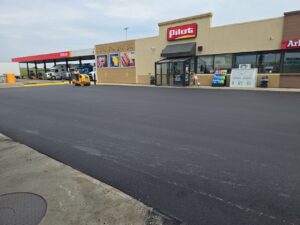 Protecting Customers: Pavement Safety in Retail Spaces
Asphalt paving for retail properties can be a high-value asset, offering convenience, accessibility, and plenty of curb appeal. However, without proper care and attention, retail store paving can also pose safety concerns that cost your business big. Pavement safety in retail should be a top priority to protect your customers. Here’s what you need to know.
How Can Retail Paving Enhance Overall Customer Safety?
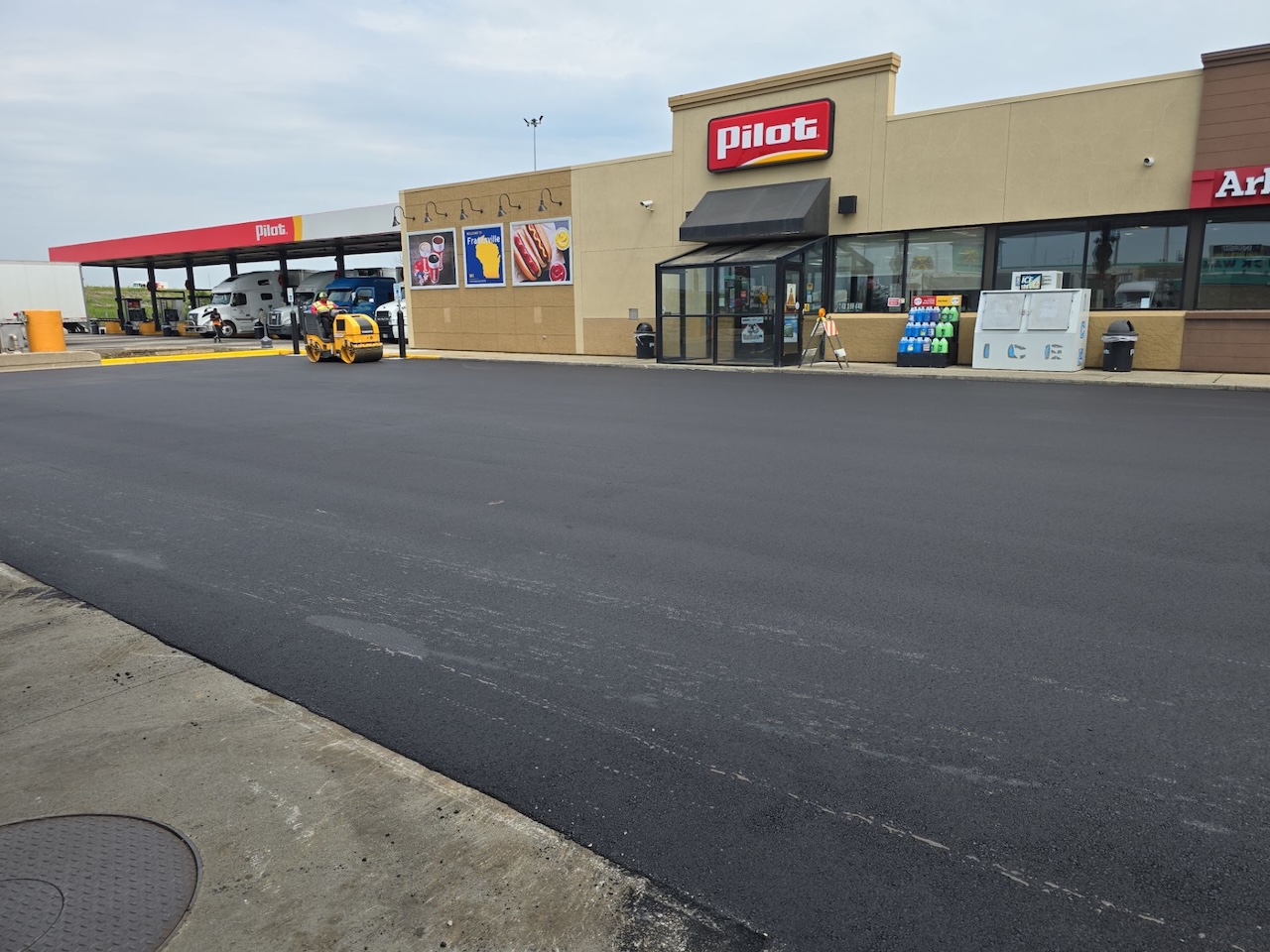
Let’s start with the many ways that commercial pavement can enhance safety. With proper pavement installation and ongoing maintenance, blacktop surfaces can go a long way toward keeping patrons and employees safe as they navigate a property. Smooth paving provides a stable, reliable surface for both pedestrians and drivers.
It gives shoppers a clear, predictable path when entering your store and can do wonders to help those with mobility issues. Rather than cautiously navigating bare soil or loose gravel, customers can walk confidently.
The best commercial pavement can also help reduce the risk of slip-and-fall accidents. Regular sealing creates a high-friction surface that improves grip and vehicle control, thereby boosting overall pavement safety.
In What Ways Can Poor Pavement Safety in Retail Put Customers at Risk?
Despite the many benefits of asphalt paving in retail spaces, poor pavement safety can also create hazards that put your patrons at risk. Improper pavement installation and a lack of ongoing care can turn a once-reliable surface into a damaged, unsafe mess.
Surface defects become tripping hazards. Meanwhile, uneven paving can harm vehicles and promote more erratic driving. Even the smallest forms of damage can harm pedestrians and create chaos in a parking lot.
Like any other paved surface, the impact of commercial pavement on your property and business depends heavily on its quality and maintenance. When managers and owners don’t prioritize safety for retail pavement, surfaces can become a detriment.
What Issues Can Negatively Affect Safety?
Several issues can create pavement safety concerns. The most common include:
•Cracks: Cracks are seemingly harmless, as they’re among the most common forms of damage to affect commercial pavement. However, small voids can invite water penetration, leading to continued damage and asphalt deterioration. Cracks can also be tripping hazards, especially to those with mobility challenges.
•Surface Defects: Surface deterioration and raveling creates an uneven texture. Not only does this damage affect overall pavement safety, but it also signals that retail store paving is deteriorating. More issues will follow if not addressed.
•Uneven Paving: Surfaces can settle unevenly due to improper pavement installation, base erosion, and other issues. Like cracking, uneven paving is a tripping hazard for pedestrians. It also creates an unpleasant and potentially dangerous driving experience.
•Potholes: Potholes are a byproduct of water infiltration and base damage. Falling into a pothole can cause severe injuries to shoppers, and driving over one can cause significant damage to vehicles.
•Faded Markings: Lines and pavement markings are more than just an aesthetic detail. Every marking contributes to overall safety for retail pavement, guiding shoppers while encouraging safer driving. When paint fades, order and efficiency benefits decrease, creating potential safety concerns.
How Can Unsafe Asphalt Paving for Retail Stores Cost a Business?
Failing to prioritize safety for retail pavement can cost your business in many ways.
First, it can create an air of unprofessionalism that reflects poorly on your retail store and brand. Shoppers are savvier than ever, and many won’t even enter a property with a clearly neglected parking lot. If your store becomes the site of serious injuries, your business will take a substantial reputational hit as other shoppers actively avoid the store.
Poor pavement safety can also create legal and financial hurdles. If accidents occur on your property due to pavement negligence, your business could be liable for damages. Those events also expose your business to lawsuits and civil penalties.
What Can Property Managers and Business Owners Do to Boost Pavement Safety in Retail Spaces?
Fortunately, focusing on pavement safety in retail spaces is easy. It’s all about proper maintenance, timely repairs, and a safety-focused design.
During pavement installation, work with experienced, trusted contractors. They can avoid simple mistakes that could later raise safety concerns. More importantly, they can help develop a safety-focused design that emphasizes traffic efficiency and a great customer experience.
Throughout the life of your paving, prioritize pavement safety through regular inspections and ongoing maintenance. Have contractors assess your asphalt regularly. Experts can identify potential issues early, helping you be more proactive about mitigating safety risks. If damage occurs, schedule timely repairs to protect your investment and your customers.
Black Hawk Paving offers over half a century of experience constructing, repairing, restoring, and maintaining asphalt paving for retail properties. We’re a company that focuses exclusively on commercial and industrial clients. Our team is well-trained and understands the unique needs of commercial pavement. This expertise and focus enable us to develop tailored solutions that count, while working to minimize disruptions and delays for your business.
At Black Hawk Paving, we’re proud to offer a range of services and nationwide capabilities in the Midwest. We’re available for large-scale asphalt milling and paving, ADA compliance, repairs, concrete paving, curbing, sealcoating, and more. Call Black Hawk Paving at (877) 247-1975 to discuss your retail needs and request a free quote. You can also email the team at info@blackhawkpaving.com or use our online form to get in touch.